




Indoor and outdoor skating require different types of roller skate toe stops. For outdoor surfaces, rubberized ones that offer increased grip help. For inside at the rink, harder materials slide across smooth surfaces in a way that improves control. While this basic information can help you choose your setup, there are other things to consider when customizing roller skates to your specific skating style and location.
Key Takeaways
· Outdoor roller skates’ toe stops focus on grip and long-lasting materials
· Indoor roller skates need more smoothness for increased precision
· You can change your toe stops for different settings easily
· Roller skating skill also plays a factor in which toe stops you choose
Beginners looking for a fun time and some exercise probably don’t realize they can change out parts of their skates. You might not know that different ones work better in different conditions or locations. Even more experienced skaters who buy high-quality equipment may stick with stock parts. This article will help you understand how to choose the right toe stops and switch them out easily for maximum stopping ability and safety.
Why Does Toe Stop Material Matter?
Besides the wheels, toe stops are the main point of contact between you and the ground when roller skating. They play an important role in stopping, starting again, and doing various maneuvers or tricks. They’re not very big and don’t seem super important at first glance, but they do help you stay safe and in control of the experience.
The materials chosen interact with the ground or floor in different ways. A harder material does not grip the floor. Instead, they slide across it more smoothly. Softer materials increase friction and traction. This is important for rougher surfaces. When you choose the type that matches your environment, you get more control and maneuverability.
Common Materials for Roller Skate Stops
The following three materials are the most common for quality construction:
· Natural rubber – A flexible and high-grip material commonly used for general recreation and outdoor adventures
· Synthetic rubber – Carefully made compounds balance durability, traction, and performance
· Hard composites – Special formulas for indoor use when smooth, sliding stops work well

Outdoor Roller Skates – Toe Stops Need Grip
If your answer to the question ‘What is the best outdoor activity near me?’ is roller skating, you need the best equipment to navigate rough sidewalks, park paths, and parking lots. Even the smoothest poured cement is rougher than truly polished surfaces you might find at the local roller rink.
This type of brake helps you stop through friction. Rough asphalt, cracks in cement, and loose gravel all make outdoor surfaces unpredictable. Add in fallen debris like small sticks, stones, and other items, and you have an even more unpredictable surface. Softer rubber grips them more effectively, which provides more stability and control. It has less of a chance of skipping over debris and making you jerk or stutter when trying to stop.
Indoor Roller Skates – Toe Stops Need to Glide
Polished and coated floors do not have cracks and imperfections. Instead, they are so smooth that a softer rubber grip would get stuck too aggressively and make stopping more dangerous. Instead, rink skaters need harder toe stop materials so the brakes glide over the surface until you put the right amount of pressure on them. The ability to control the speed of the glide helps you reduce momentum until you stop naturally.

There’s less general friction, which means you are in control of exactly how quickly you stop, not the imperfections on the surface. This makes hard composites ideal for derby players, rink dancers, and speed skaters. Softer rubber is a bit more unpredictable because it’s designed to be used with less predictable surfaces. For tricky, fast-paced stops, starts, and turns, you want maximum control.
Can I Use the Stock Toe Stops Everywhere?
Yes. Unless you have a very specific interest like winning indoor races or doing tricks, the all-purpose options that quality skates come with will suit your needs well. Most adults, kids, and teens never get too serious about their skating hobby. If you do not want to specialize in a particular style or sport, there is no need to upgrade or swap stops between uses.
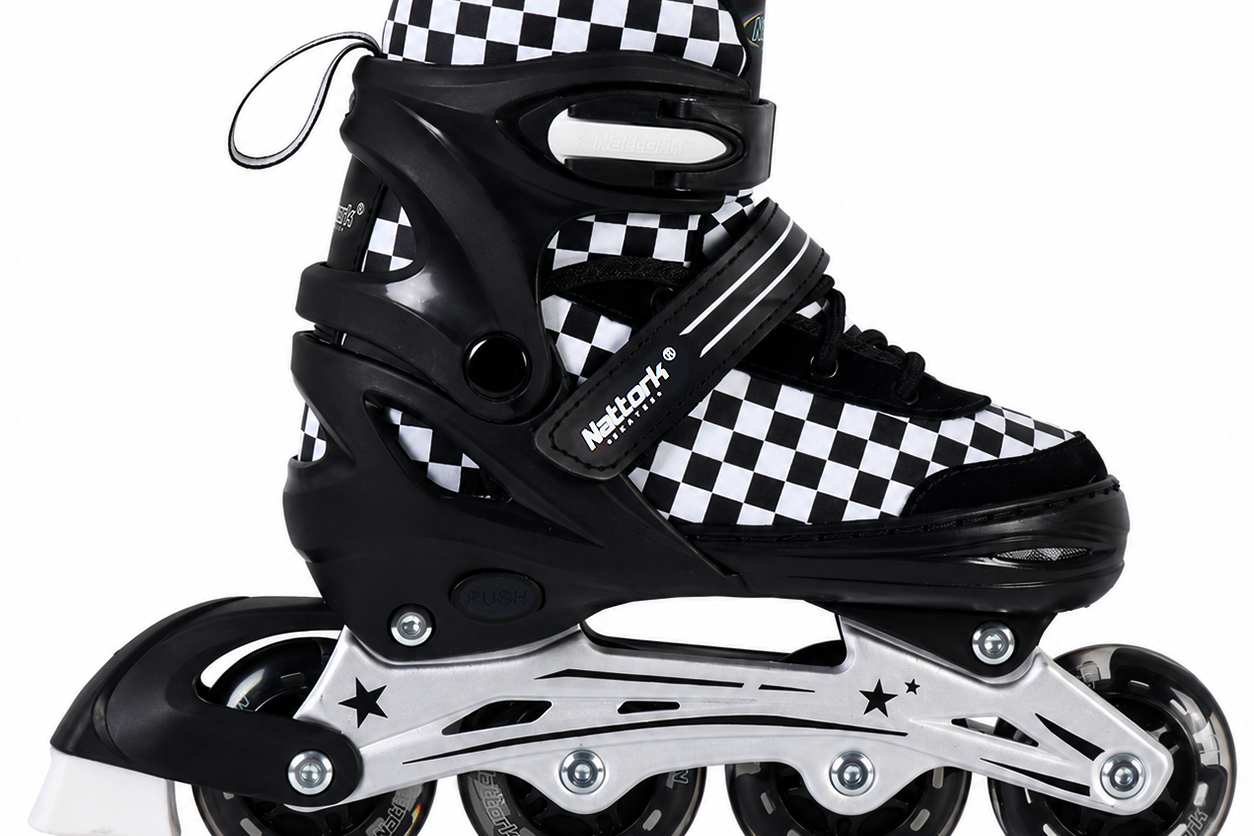
Beginners or even moderately experienced people do not need to swap out parts regularly. The same goes for children just starting out. A pair of Nattork Roller Skates for Kids already has top-quality toe stops that are easy to use and safe for all surfaces.
Can I Skate Without Any Type of Toe Stops at All?
Yes, but it’s not recommended for children or beginner skaters. They are, after all, the main braking mechanism. If you do not have the regular way to stop when you are rolling down the path or around the rink, you need an alternative method. No toe stops means less control and possibly more danger of injury.
A lot of roller rinks require toe stops. They lower the chance of gouging the wood with the front metal or hard plastic parts of the skate. If you do decide to ride without them, consider plugs instead. These are basically the same mechanism, but they are much shorter. Not only do they fill the hole so no debris or water gets inside, but they can help stop in some situations. You can even find ones with unique shapes like hearts, stars, and flowers.
Does Skating Style or Ability Affect My Choice?
Once you move beyond beginner status or get into more specific roller-skating sports or activities, your style will affect what stops you want to install. Roller derby players want high durability, harder materials for more controlled and faster response and stop time.
Skate dancers also look for harder rubber and composites for exactly the same reason. Interestingly enough, people who focus on tricks and advanced movements often remove toe stops completely as they can get in the way and become a tripping hazard. It is hard to do jam skating, crossover walk styles, and spins with a large stop sitting out front of your toes.
Should I Use Fixed or Adjustable Toe Stops?
Besides multiple choices for materials, you can also opt for different hardware configurations for these important parts. Basic beginner skates usually have bolt-on, fixed toe stops. They are also common on general use pairs. These stay in one position all the time and the distance between the surface and the ground is fixed. This makes it easier for less experienced people to brake comfortably.
Adjustable toe stops also exist, but these are usually reserved for more advanced skaters who do tricks, dance moves, or derby sports. Instead of a set screw height that attaches to the boot in one position, these let you change the positioning. They use a bolt with washers and nut attachment instead.
It’s important to note that many skate decks do not work with adjustable toe stops. You might have to change out the entire thing if you want to try something new.
Maintenance Tips for Toe Stops Every Time You Skate
Every part of your roller skate needs a quick inspection every time you skate. Take extra time for a more thorough one after every several uses. Any damage, excessive wear, or weakening of materials can become dangerous and increase the risk of injury.
The same goes for the rubberized stubs that help you stop safely. Follow these steps to ensure proper maintenance.
1. Visually inspect them for cracks, uneven wear, and missing chunks
2. Remove dirt, gravel, and dust with a damp cloth
3. Tighten bolts or adjustable stops if they are loose or uneven
4. Check for excessive wear that would make it difficult to tip forward far enough to slow down and stop when you need to
When Is It Time to Get New Toe Stops?
If you keep up with the regular inspections described above, you will know when it is time to replace this important part of your gear. Broken ones are obvious. Any sign of cracks or missing bits of rubber or compound material means you need new ones. Heavily worn stops will not work as well, so change them out.
It’s also important to test the quality of the material itself. Over time, rubber can harden and become more brittle. This happens more quickly if you leave your skates outdoors or in the direct sunlight or heat. Of course, these are not the best places to store the playtime or exercise equipment. Age hardens them, too. If you feel any difference in the pliability or flexibility, get new ones just to be on the safe side.
How Can I Easily Change My Roller Skate Toe Stops?
You do not have to be excessively handy or good with tools to take off old, worn-out parts and install new ones. Get a simple adjustable wrench or hex key appropriate for the size of the bolts attaching the toe stop to the skate deck.
Remove the old stops completely. Keep the hardware unless it also shows signs of wear or damage. New stops frequently come with new bolts. Clean the space underneath and all the nearby parts of the skate. Then, simply screw the new ones into place, making sure they are tight and secure before use. It’s as easy as that!
Frequently Asked Questions
Choosing the best parts for your gear can raise a lot of questions. Here are some answers to the most common ones.
Do all skates use this type of braking mechanism?
No. Inline skates have heel brakes instead. Some quad skates do not have brakes at all, although these are usual specialty models for specific use cases like racing or tricks.
Are all roller skate toe stops good for all surfaces?
Most casual use roller skates come with all-purpose materials that will work just fine for regular use on any surface. If you only skate outdoors on rough ground or indoors at a smooth rink, it makes sense to choose the type more suitable for those surfaces.
What happens if I use indoor ones outside or vice versa?
It’s fine to do this occasionally. It’s not dangerous. However, indoor toe stops will wear down much more quickly if used on rough surfaces. Also, they will not grip the same way, which can make stopping difficult and slower. Outdoor rubbery materials may get ‘stuck’ on smooth surfaces and grip too quickly, which can make stopping at the rink a challenge.
How long do roller skate toe stops usually last?
It all depends on how often you go skating, what surfaces you go on, and how often you stop. A young beginner who rolls up and down the sidewalks once or twice a month with their friends can use the same toe stops for a long time. A busy roller derby player may need new ones after every one or two events.
Can worn stops make roller skating dangerous?
Yes. You rely on these little rubber or compound parts to stop you from going too fast, rolling into the street, or running into someone else at a busy rink or footpath. If you use worn-out ones, stopping becomes much more difficult.
Always keep your roller skates in top condition, replace parts as needed, and wear safety gear including an approved helmet.
Conclusion
Roller skating is tons of fun, great exercise, and good for kids’ socialization, health, and confidence. Choosing the right toe stops to improve control and safety is an important part of the process. When you’re looking for the best outdoor activities near me, consider softer, grippier, rubber toe stops. When you head to the rink or another indoor location, choose harder ones that glide across smooth surfaces and offer more control.
Over time, the roller skate toe stop options focus more on the style and purpose of your skating adventures. Whether you want to speed, dance, derby, or just have some fun in the fresh air, you need the best options for safety and ease of use.
Read More:
Why Are the Brake Designs Different for Inline Skates and Roller Skates?
