
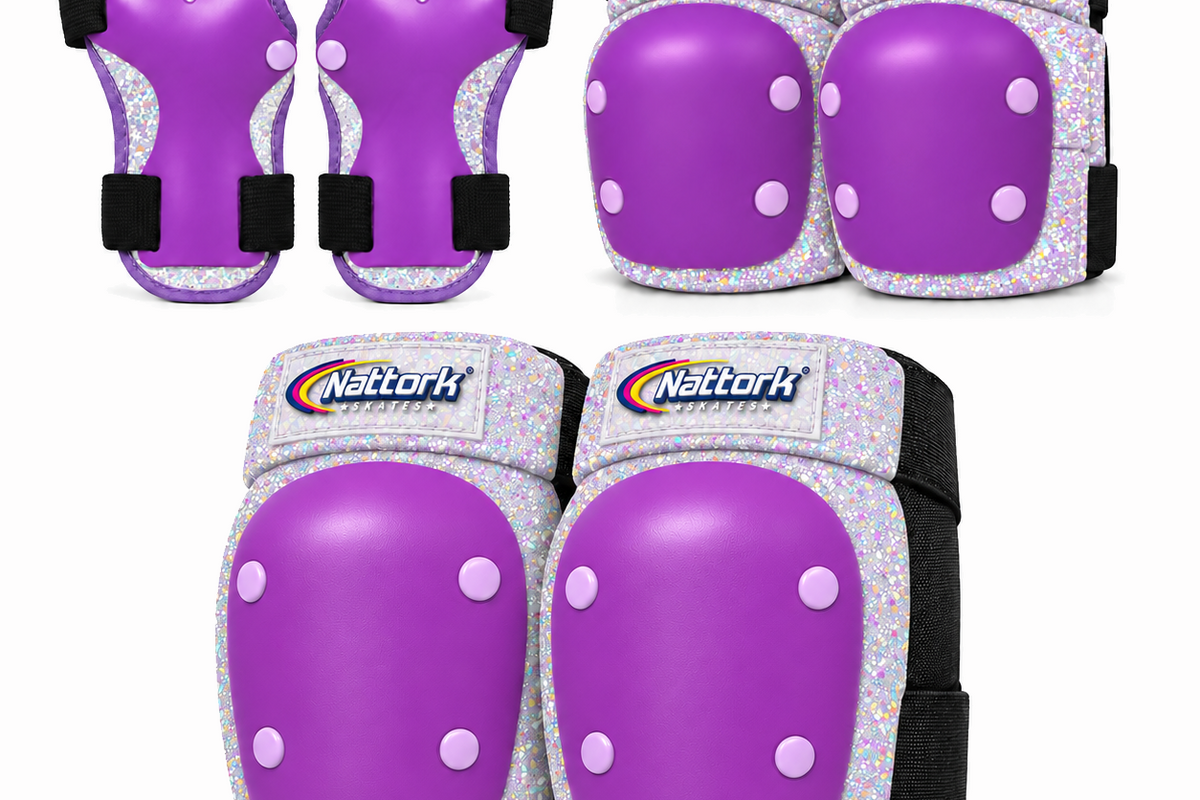
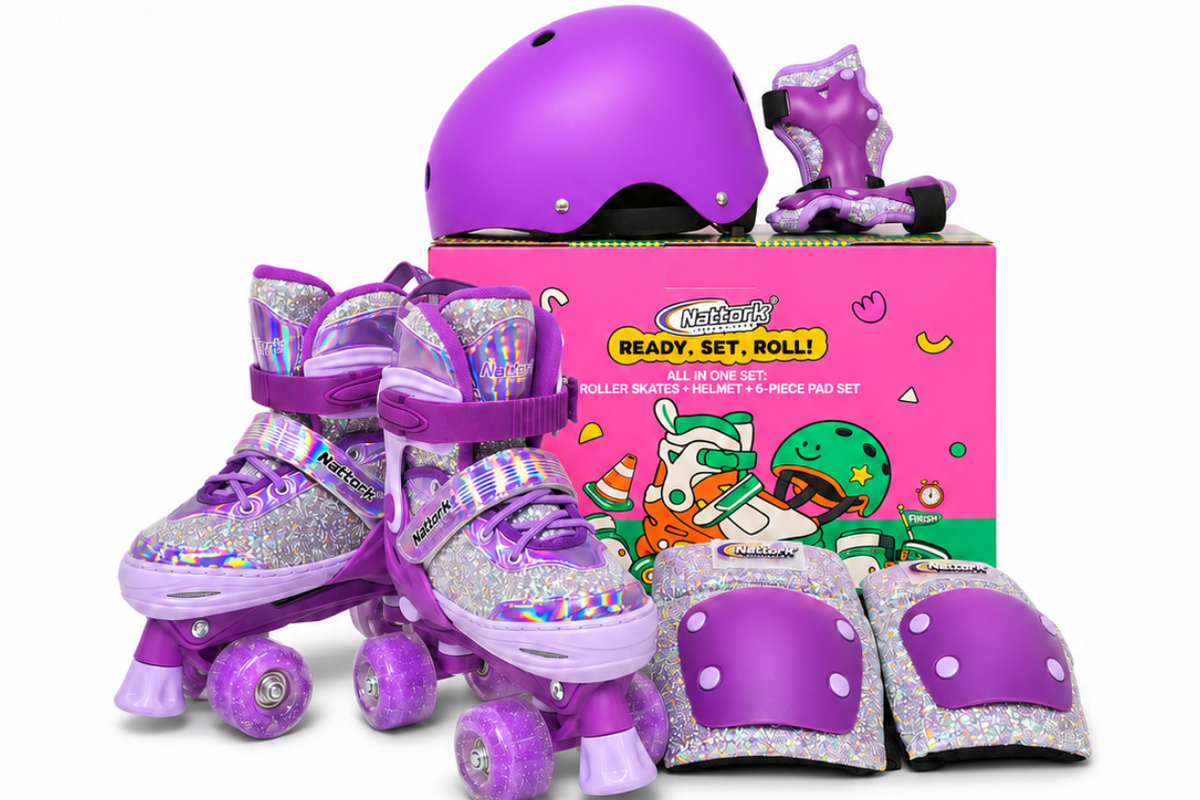


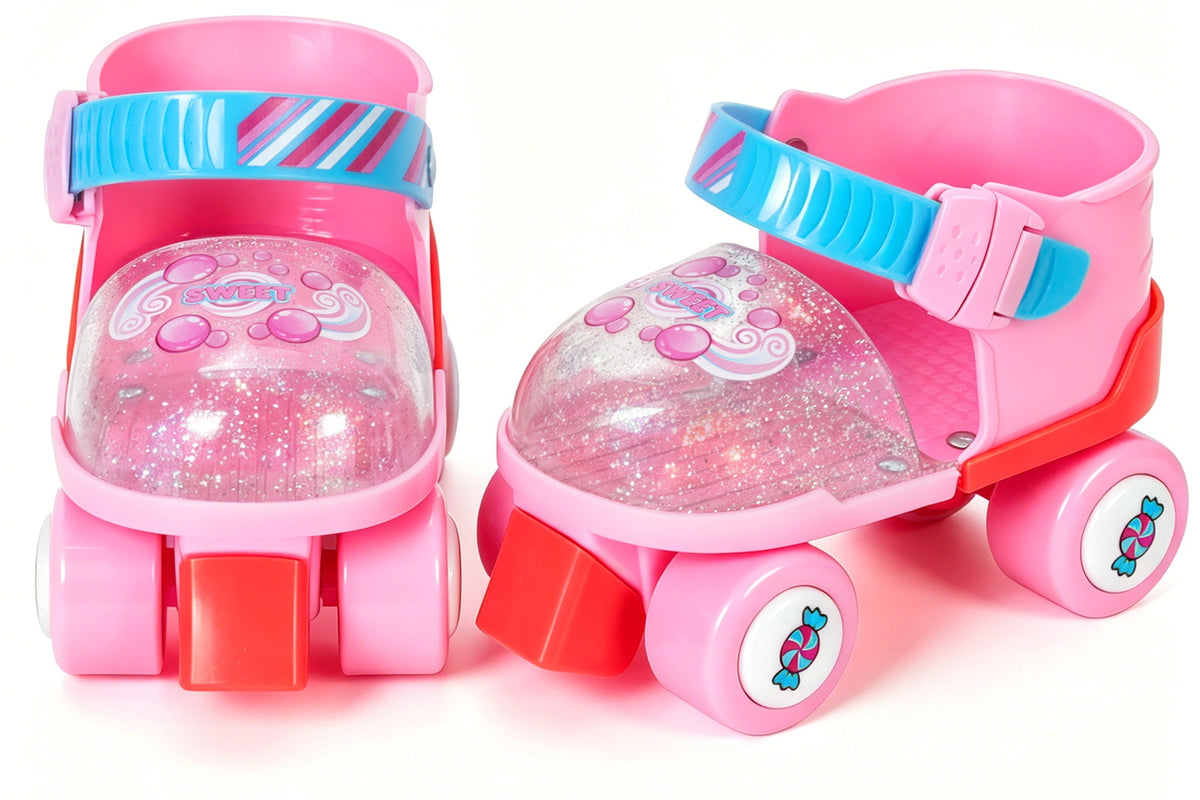








Rollerskates work so well because their wheels are made of a material called thermoplastic polyurethane. If you’ve added skates to your holiday gift guide this year, consider choosing ones, like Nattork roller skates, with high-quality parts like these. You can also get extra wheels for future replacements or to swap out right away based on favorite colors.
Before buying new parts, it helps to understand what makes this material the best choice for skates of all kinds.

Why is Thermoplastic Polyurethane Best for Rollerskates?
This material bridges the practicality and performance gaps found with plastic and rubber wheels. Polyurethane is more flexible than plastic and harder than rubber. These are both important qualities in wheels that take a lot of pressure and need to grip, glide, and deal with considerable impact at different angles.
Grip – Why would you want your wheels to grip the hard surfaces if you want to keep rolling forward smoothly? Grip is essential for getting enough friction to push off or make turns. The last thing you want is the skate sliding out from under you when you try to zoom down the sidewalk or around the rink. Polyurethane offers more control, which increases safety and performance.
Shock Absorption – It makes sense to roller skate on smooth, hard surfaces, but some paths will always have a few bumps to get over. This can be anything from small pebbles to a crack in the sidewalk. Thermoplastic polyurethane has just enough flex and give to absorb some of the impact and make skating a smoother experience.
Durability – No one wants their skate wheels to break or wear out after just one season’s use. Choosing this material ensures you or your children can enjoy the new pastime for much longer. It can’t hurt to keep a new set on hand just in case anything happens though. That way, you can keep rolling all the time.
There are two aspects to this material’s durability. First, it resists abrasion and physical wear. Skate wheels come into contact with rough cement and other surfaces over and over again. A softer material would wear out too quickly. Second, it’s resistant to oil and chemical affects. While no one should roller skate through a puddle of chemicals or an oil spill, these things can exist on driveways and in empty parking lots. Thermoplastic polyurethane will not interact chemically and thus retain its structure for much longer.
Are There Other Roller Skate Wheel Material Options?
Yes, but they’re not as common and don’t offer the same experience as polyurethane. Some young children’s skates are still made from simple rubber or plastic. Wood and metal are used on much older skates but are not common at all in modern styles.
When you buy from a quality brand like Nattork Skate Wheels that focus on long-lasting performance are already an integral part of the whole product. Whoever gets a brand-new pair this year will appreciate the smooth ride for hours of fun and exercise.
Read More:
