




If you spend any time at playgrounds, parks, or in your own neighborhood, you’ll see how many different people love riding scooters. People of every age and skill level love this fun activity. Some even opt to use them as transportation and tricks. Choosing the right one for you or a scooter for kids isn’t as easy as choosing whichever one looks cool or costs the least, however. The best option for a wobbly first-timer is quite different than one ideal for an adult zipping around town.
It’s important to take into account four main factors when deciding what to buy: the rider’s age, skill level, surfaces, and most common uses. A preschooler having their first adventure on wheels can gain confidence with a children’s three-wheel scooter, while an older teen interested in jumps and spins should go with an option built for maneuverability and durability.
In this comprehensive guide, you’ll learn everything you need to know about buying the right scooter for every age and riding style. Let’s get ready for adventure.

Three-Wheel Scooters: Best for Young Beginners
Exactly as the name implies, these scooters have three wheels instead of two. They are similar to a tricycle: the beginner version of a more advanced piece of equipment. Some look very similar to that, too. They have two wheels in the back and one in the front. Others switch things around and put two in front and one in the back. This is mostly a matter of style and preference. Where the wider wheel base is positioned doesn’t really affect stability much.
The Ideal Age Range for Children’s Three-Wheel Scooters
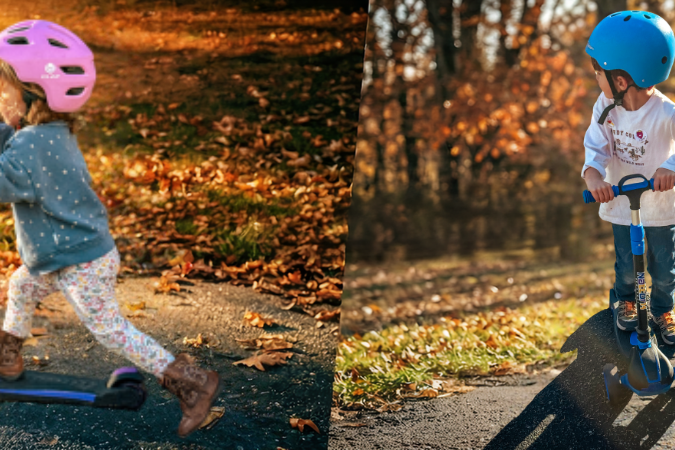
These are built for the youngest and smallest riders. As long as your toddler son or daughter is pretty stable on their feet while walking, they can start practicing how to balance on a board. Mostly, these are used for kids around two to five-years-old. Much depends on how much balance and coordination they have developed.
If they start out on a scooter with three wheels, they will quickly learn the movements necessary to go forward, stay upright, and turn gradually. They’ll also build confidence needed to move onto two-wheel scooters later on.
Why Does the Third Wheel Matter?
Three wheels help with three important things for young children:
· Stability – A wider wheel base on one end makes it more difficult to tip over and experience falls
· Skill-building – Essential scooter skills like pushing off and steering are easier to practice when they don’t have to worry about accidents
· Confidence – The security means less fear of scraped knees and bumped elbows. This gives kids the chance to enjoy the pastime and motivate them to continue.
How to Choose the Right Children’s Three-Wheel Scooter
Besides letting your children pick out their favorite colors and cool patterns, look for ones that support where they are now and grow with them over time. Check weight limits on any model you choose. Pick on with adjustable height settings for the upright bar so they can always stand upright while zooming around.
Also, consider whether you want a fixed bar or one that turns. This affects how they steer the scooter. The first type requires leaning to turn while the second means they can steer more like their tricycle by turning the handlebars in the direction they want to go.
Two-Wheel Kids’ Scooters: Playtime Fun
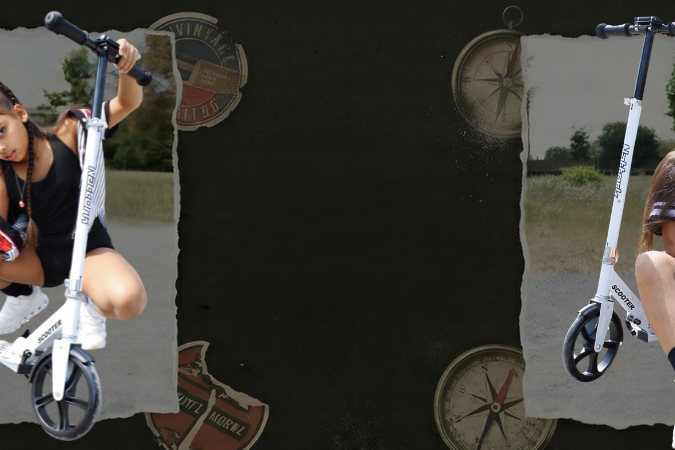
Once your child gets big enough and develops suitable balance and skills, they can transition to a two-wheel scooter. Of course, kids who are already five or six years old at the start of their adventure can begin with one of these directly. This is the classic scooter for kid riders that you see all over the place on playgrounds and in your local community. Teens and even adults can use them, too.
What Skills Are Required for Two-Wheel Scooter Fun?
Balance and coordination are the two main skills for all scooter riding. The person needs to be able to stand up straight, bend their knees comfortably and lean side to side, grip the handlebars securely, and push off with one foot to propel themselves forward. The kick on scooter design has rather narrow decks where the feet go, so it’s a good idea to practice standing on them for a while before trying to go fast.
Features to Look For in High-Quality Scooters
When you shop for the right model, look for sturdiness of construction, kick-and-glide mechanics, materials used, and how portable and foldable it is. Of course, you want one that will last a long time and stand up to rough use during playtime. It really helps if the scooter folds up so you can carry and store it easily, too. Polyurethane wheels are common. They help them last longer and roll more smoothly. Rubber is a great alternative for those who don’t want to do any tricks or quick movements.
Essential Scooter Safety Gear for Every Rider
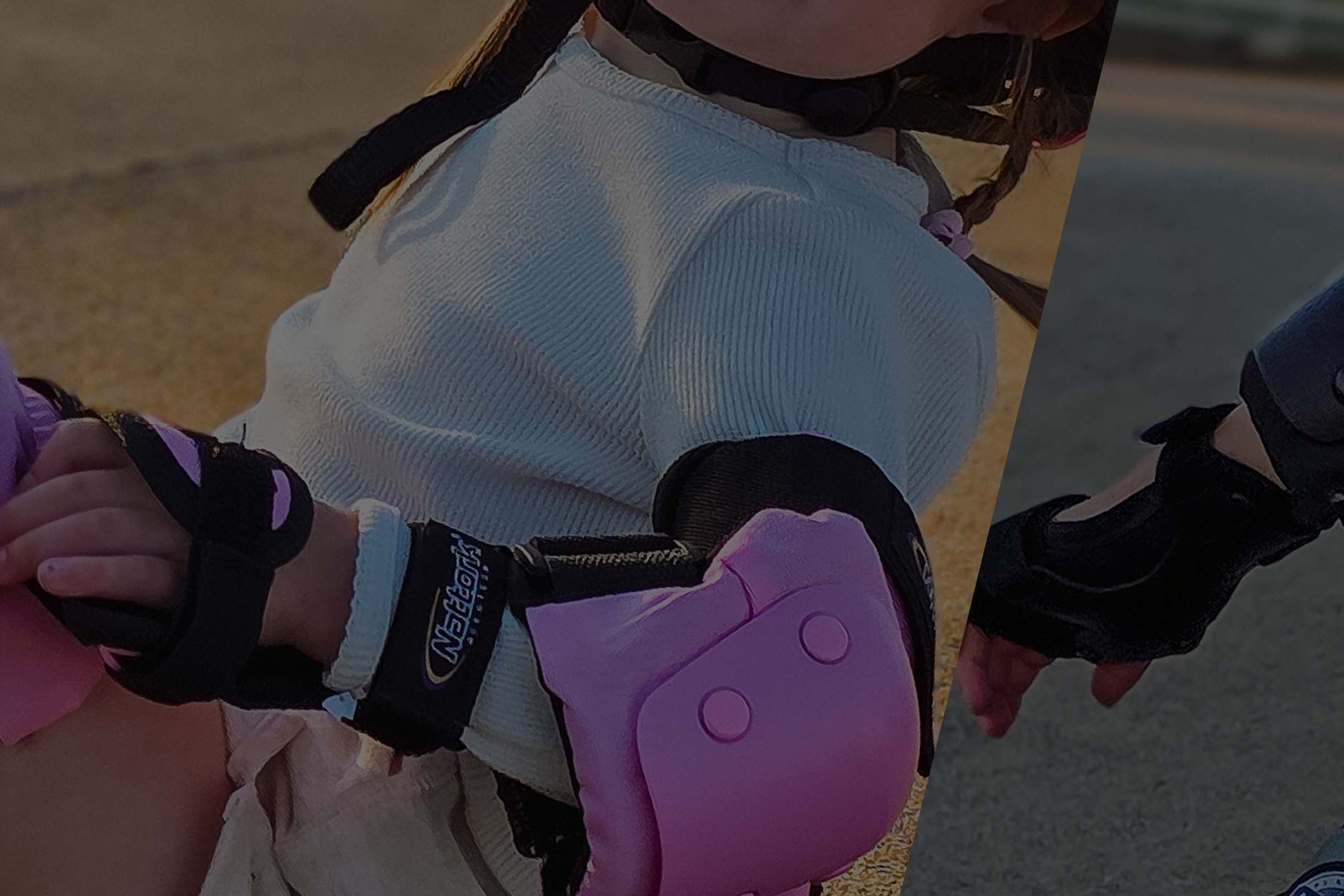
It doesn’t matter how big, tall, or old you are, if you get on a scooter, you need the right safety gear every time. Always get a properly fitted helmet, knee and elbow pads, and wrist guards. These are non-negotiable whenever the scooter comes out of storage for practicing tricks, zooming around town, or even a quick ride down the sidewalk.
Signs Your Child Is Ready for a Two-Wheel Scooter
Ask these three questions to determine if it’s time to upgrade to two wheels:
1. Is your child an appropriate height and weight for the kick on scooter model?
2. Can they balance reasonably well and stand on the scooter deck?
3. Do they have the confidence to give the new design a try?
Lots of kids want to get a cooler new model when all their friends have them, too.
Fliker Scooters: No Kicking Needed
The majority of scooters you see rolling around are propelled by one foot kicking off the ground and the other firmly planted on the deck. Fliker scooters are different. Instead of using a foot, propulsion comes from shifting the entire thing from side to side much like a slalom skier would on a downhill course or a surfer does on a small wave. This is also similar to how you can glide along on a skateboard for a while after pushing off once.
How Do Fliker Scooters Move?
This unique way of moving is possible because the frame is split into two separate section. The front and back ends of the deck are connected by a central pivot point. When the rider shifts their body, the two parts move back and forth. The angle of the wheels converts to forward motion. If you’re used to a standard kick scooter, this can feel quite unusual at first.
Who Are These Unique Scooters Best For?
Since the way you use this type of scooter is completely different from the traditional types, this isn’t a good transition for a particular age or ability level. Instead, it offers a fully unique experience. If you or your older child wants a new challenge or a better workout for your legs and core muscles, a fliker style might be a great choice.
Stunt Scooters: Great for Cool Tricks
As kids get older or teens look for new things to do outside, their minds turn to tricks rather than simply gliding forward and making swooping turns on the pavement. Skateparks often have scooter areas or special hours where they’re more welcome amid the skateboarders.
If you want to try out some jumps, grinds, and twists, a stunt scooter is the best option. They’re built tougher for people who have already mastered normal usage.
What Makes a Stunt Scooter Different?
While you can do simple tricks on any kick on scooter, these are engineered to hold up to rough usage and more advanced maneuvers.
· Stronger decks – Sturdier and often wider platforms give you a stable base for your feet while doing jumps and grinds
· Compression attachments – Every point of potential movement gets extra support and tight connection. This includes handlebars, front wheels, and forks so nothing wobbles or gets loose.
· Bigger wheels – But not too big! They’re also made from tougher materials that stand up to impacts after a jump.
· Lack of brakes – This is a huge difference. Trick riders use their feet and other methods, like gravity, to stop and slow down.
By the time a rider is ready for a trick scooter, they should know a lot about the types of things they want to do. This helps them understand what materials, size, and features are important for the model they ultimately buy.
Electric Scooters: Fast Transportation Option
When you leave behind the fun of zooming about on the driveway and have mastered the balance and coordination to do a few tricks, you might choose a scooter for an entirely different purpose: transportation. Just like an electric bicycle, electric scooters are made to get you from one place to another quickly and conveniently. There’s no need to use your muscles for more than balance, and no need to break a sweat either.
Different Varieties of Electric Scooters to Choose
The most common type is electric kick scooters. These look almost exactly like the types described above. However, they have small motors attached that power the wheels. You still have to balance and use the handlebar to change direction much like a bicycle.
There are also self-balancing scooters on the market today. These make it even easier to stay upright. Alongside the motor that makes the wheels turn, they also have gyroscopic sensors to stay upright. You don’t use the handlebar to steer these.
If you opt for an electric scooter, the most important things to consider are how far and fast you want to go. Of course, they run on batteries, so charging them up overnight or between rides is essential. Top models can go up to 40 miles on one charge, but 10-15 is more common. Budget options give you about 15 mph, while ones designed for performance can get up to 30 or even higher.
How to Choose the Right Scooter for You or Your Kids
Your kids are eager to learn a new skill or discover an exciting way to have fun. You’re ready to get out on the pavement and learn a new trick or commute to work in an eco-friendlier way. Scooters fulfill these goals better than many other options out there, but you need to pick the best one for the rider to make it a fun and safe experience.
There are three important, frequently asked questions to ask yourself before buying your first or next scooter:
1. How old, big, and experienced are you? Size matters, but whether you’re a beginner or advanced scooter user matters just as much. There’s no way a five-year-old should have an electric scooter that goes 25 mph, and a 12-year-old wouldn’t fit on a three-wheel model.
2. What do you want to use your scooter for? You’ll pick a very different type if you want to do awesome tricks on ramps and rails than if you want to commute across town.
3. What surface will you be riding on? While most scooters can handle the usual surfaces, whether you go on bumpy park paths, smooth pavement, or slick ramps and rails will affect your choice and the wheel materials specifically.
Once you have these answers, it’s much easier to select the right scooter for you or your kid. Start out young with an adjustable model, graduate to a traditional two-wheel kick scooter, and then explore advanced options. Always remember to wear full safety gear every time you ride.
This comprehensive guide covers everything you need to know about choosing a scooter. The best one always relies on matching it to the unique rider. Whether you or your child need to build strength, improve balance, increase strength, or gain independence, there are wonderful options to choose from. A Nattork scooter gives kids and teens the perfect styles for beginners and more advanced users. While there is no single ‘perfect’ scooter, choosing a top-quality brand with a track record of excellence and satisfied customers is a smart choice.
Read More:
Scooter to School: Why Two-Wheel Scooters Are Perfect for Busy Families
